Love Dolls in 2026: Lighter Bodies, Realistic Skin and New Technology
On this page
Updated 30 September 2026
A doll can look convincing in a studio photograph and still be heavy to move, stiff to dress or limited to one expression. That is where many of the most interesting improvements since 2024 have happened. Manufacturers are changing the structure beneath the surface as well as the finish you see: lighter interiors, softer layers, more natural joints, movable eyelids and seamless necks.
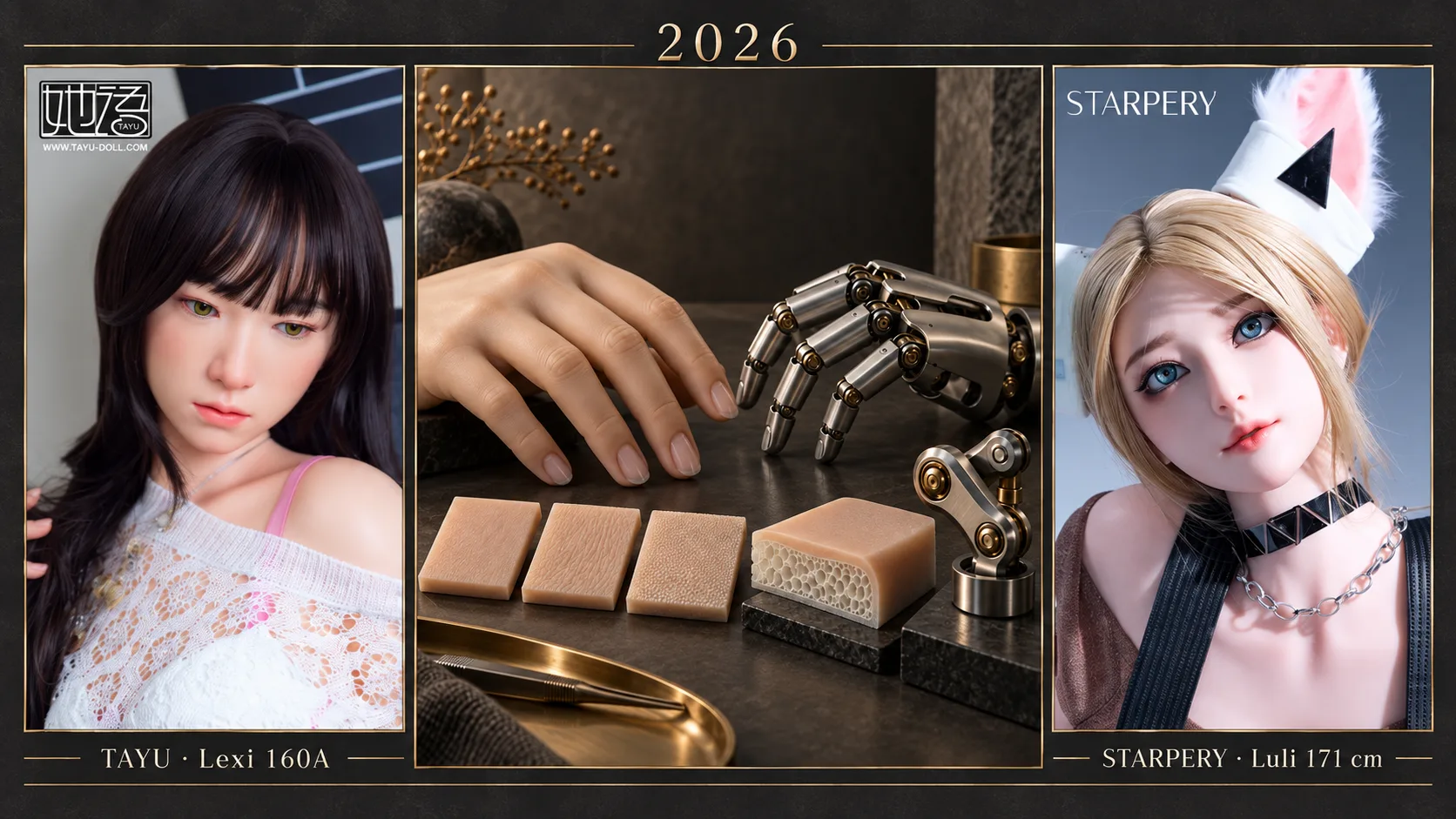
TAYU Lexi 160A (left) and Starpery Luli 171 cm (right), based on the manufacturers’ photographs in an AI-assisted editorial collage. The central materials scene is conceptual. Source photographs: TAYU Lexi 160A · Starpery Luli 171 cm
Lighter full-size bodies: the difference you notice every day
The clearest practical improvement is losing several kilograms without choosing a much smaller body. Real Lady’s current ULW table compares the same RL170 body at 48.5 kg standard and 35.5 kg with ULW: a 13 kg difference. Irontech’s 158T comparison is 34.7 → 27.8 kg. These are matched manufacturer references, not comparisons between unrelated dolls.
TAYU Lexi 160A shows another route: a 160 cm silicone body listed at 20.5 kg before the head. There is no matched older version in that figure, but it demonstrates how light a full-height body can be. Less weight can make an outfit change or a move from storage a much smaller task. For lighter alternatives, compare the models in Best Lightweight Sex Dolls Under 30kg (2026 Update).
For a much fuller body, review reports Irontech LN164 Pearl at roughly 60 → 43 kg with weight reduction. That is a retailer-reported example, not part of the manufacturer comparison table below, and 43 kg remains substantial.
Matched manufacturer weight examples
Body / construction
Standard
Reduced
Difference
TAYU NOVA 153E
41 kg
25 kg
16 kg
SEDOLL LSTPE 157H
41 kg
31 kg
10 kg
SEDOLL LSTPE 161F
35 kg
31.6 kg
3.4 kg
SEDOLL LSTPE 163E
37 kg
26 kg
11 kg
Real Lady ULW RL170
48.5 kg
35.5 kg
13 kg
Irontech ULW 158T
34.7 kg
27.8 kg
6.9 kg
TAYU and SEDOLL describe body weights. The Real Lady and Irontech comparison tables do not explicitly define head inclusion. These are within-row comparisons, not a complete-doll ranking; final options and tolerances can change the result.
How much would the difference matter?
Imagine lifting the same body with 13 kg removed. That is the RL170 table’s saving, not a promise about every finished Nina or Helena configuration. Compare the same body, material and options, and get the complete weight with the chosen head.
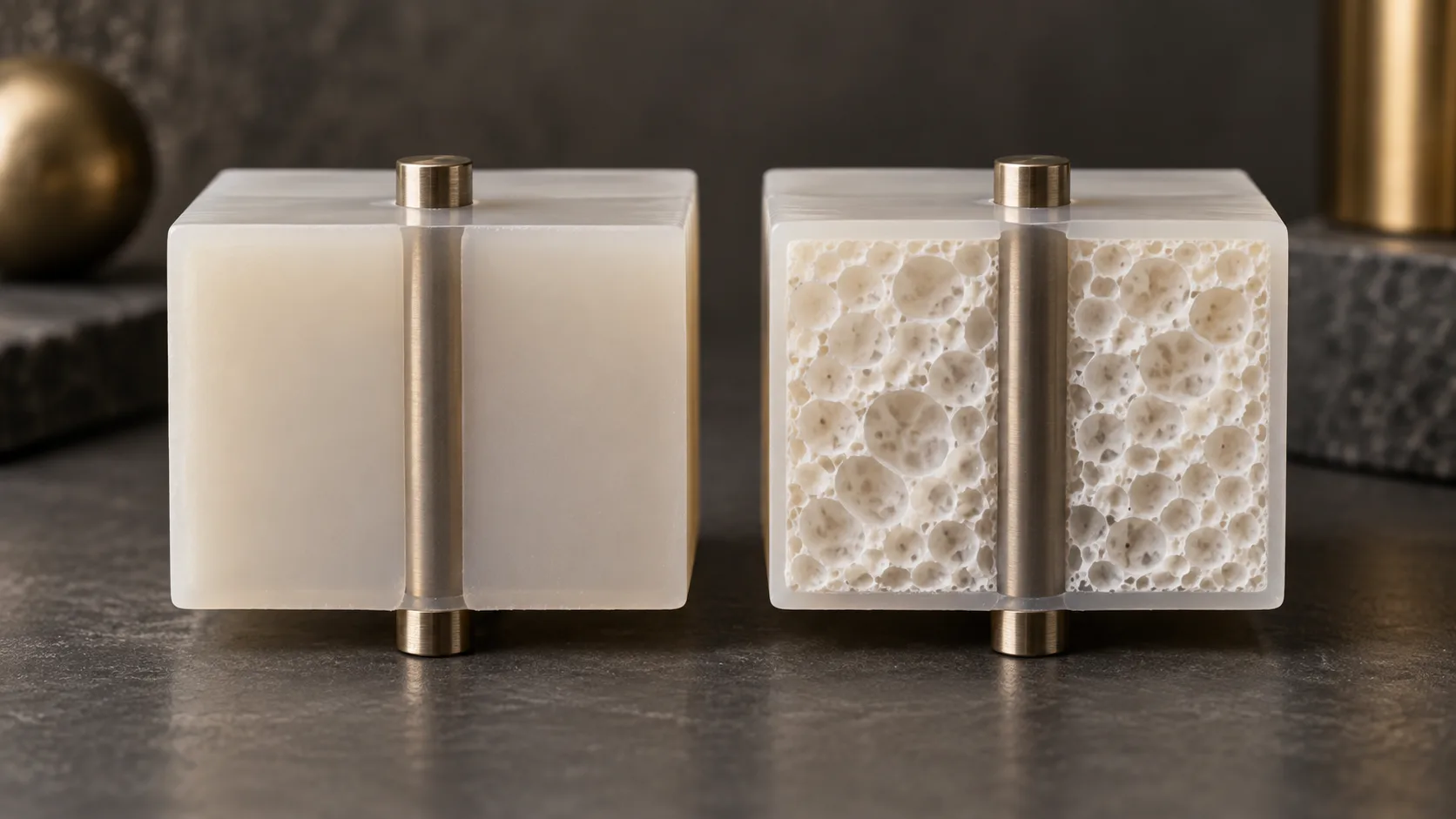
Conceptual solid and cellular-core material cutaways. AI-generated concept illustration; not a manufacturer diagram or a measured comparison.
Starpery WR4.2: a newer balance of lightness and softness
WR4.2 is a current Starpery generation, not just a retailer label. The manufacturer names it in its 2026 anniversary update, and its Natalia ROS-2 / 171D Australian-stock listing explicitly includes WR4.2 and a Ballet Skeleton. That is a more useful example than assuming every page under a WR4.2 category has the same specification.
It’s softer, more elastic silicone formula with more natural rebound, but slightly greater density. Treat that description as the retailer’s account, not our own measurement: the improvement targets the balance of feel and weight, rather than promising another weight cut. A WR4.0 photograph or unversioned body chart cannot establish a finished WR4.2 weight.
What should a WR4.2 comparison include?
The exact body, head, material, skeleton and final configured weight. Keep RST surface texture, WR4.2 internal construction and Ballet Skeleton separate in the specification: they describe different parts of the product.
September’s TPE update: TAYU NOVA and SEDOLL LSTPE
Lightweight construction is getting renewed attention in TPE. TAYU’s late-September Next-Gen NOVA announcement identifies the 153E body at 41 → 25 kg. Its other changes include NOVA Breast 2.0, a three-layer construction designed to contain the filling and retain shape, and Ultra Realistic painting. NOVA remains TPE-based; it is separate from TAYU’s silicone collection.
SEDOLL’s September 24 LSTPE announcement describes a foam core inside an STPE body, preserving its external measurements. It is a paid option on 157H, 161F and 163E. The maker says it retains STPE softness, while noting that feel can vary by area. The weight comparisons make the development concrete; long-term owner experience will take longer to establish.
Is lightweight TPE completely new?
No. The archive documents earlier TPE weight-reduction attempts in 2021. The 2026 story is the renewed effort to combine lower weight with softness and better construction-not the invention of lightweight TPE.
More convincing skin: texture, colour and finish work together
Realism now involves more than stronger makeup. Molded texture creates tiny changes in the surface; layered painting adds colour variation, veins and shading. TAYU introduced its 163D True Skin body in November 2025 and now offers a textured silicone 153E as well. Luna’s 163D configuration is a real example of that textured-body option.
SEDOLL’s Master Makeup describes up to 18 spray layers versus roughly 5–8 for its standard finish. TAYU’s UR painting is another current example of more elaborate colouring. These techniques can make the collarbone, knees and hands look less uniformly coloured. They are separate from softness: a richly painted body can still feel firm.
Starpery also documented its 171D skin-texture upgrade in August 2026 and published a September look at its texture-making process. This is another reason to distinguish the body finish from the WR number.
Try this when judging a photo
Look at a hand or collarbone in ordinary light, then compare a close-up from the same configuration. A portrait shows the face and styling; it cannot prove body texture or how long paint will last.
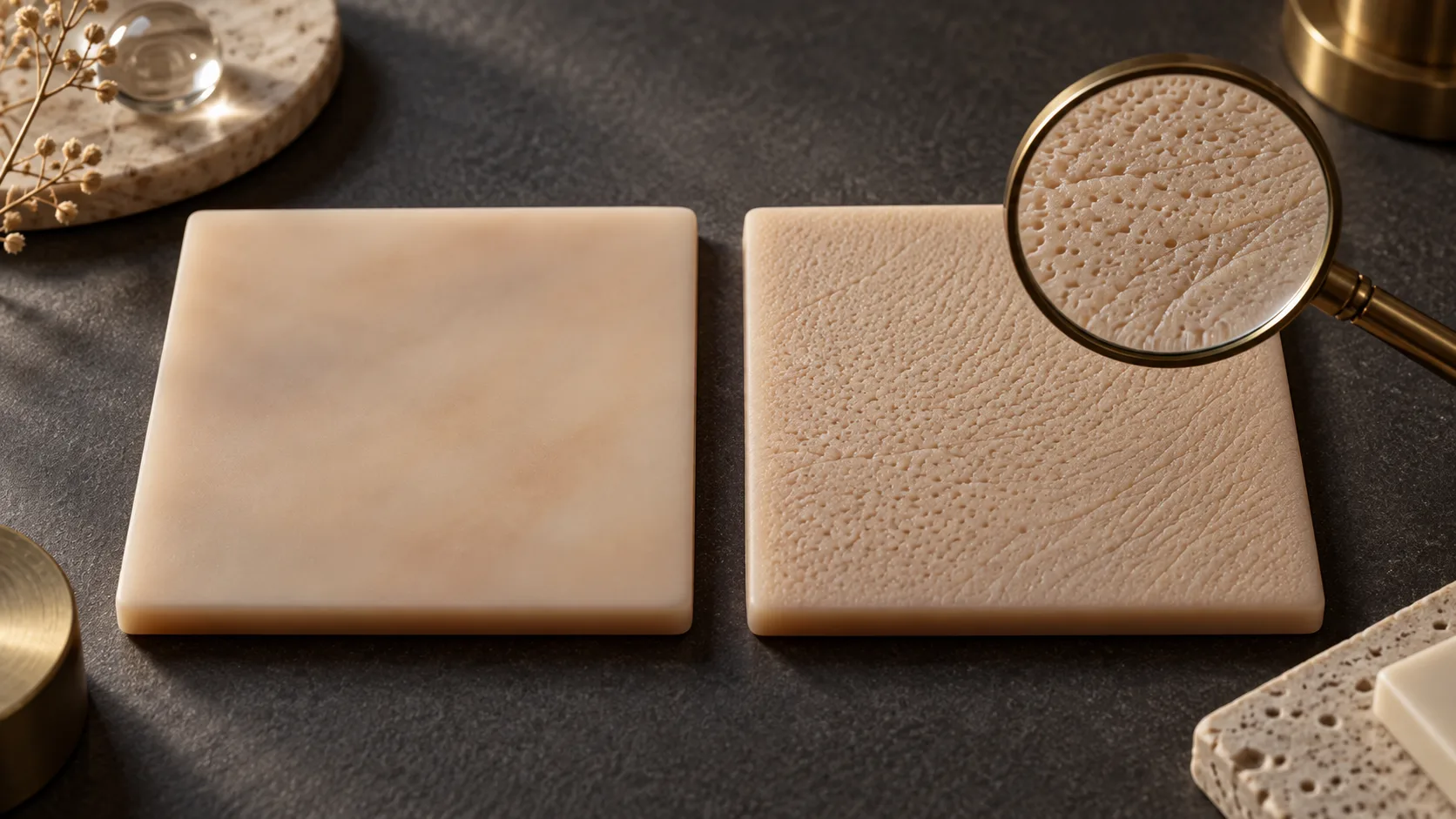
Smooth and textured material samples under a magnifying lens. AI-generated concept illustration; not a manufacturer diagram or a measured comparison.
Softer interiors, not just softer surface silicone
A thin soft surface over a firm interior can still feel firm under pressure. That explains why manufacturers increasingly discuss the core, outer material and gel separately. TAYU says its silicone production from March 2026 uses a softer skin blend, softer foam core and revised gel, including on older model designs.
ZELEX dates SLE 3.0 to December 2025. Compared with 2.0, it lists a 3–4 kg reduction across the range, a softened inner core, reinforced silicone, more flexible joints and bolt-free standing feet. The interesting change is the combination of handling and material updates behind a familiar-looking body. Its tear-resistance claims remain manufacturer claims, rather than an independent lifetime test.
Its 166D test configuration combined Bionic Skin with Soft Skeleton. The reviewer describes notably soft abdomen and thighs, with firmer hands and feet. These are the retailer’s observations about that build, not a universal softness ranking.
What should a softness demonstration show?
Ask to see the forearm, abdomen and thigh on the actual material version. One soft area does not establish the feel of the whole body, and marketing percentages are not a shared cross-brand softness scale.
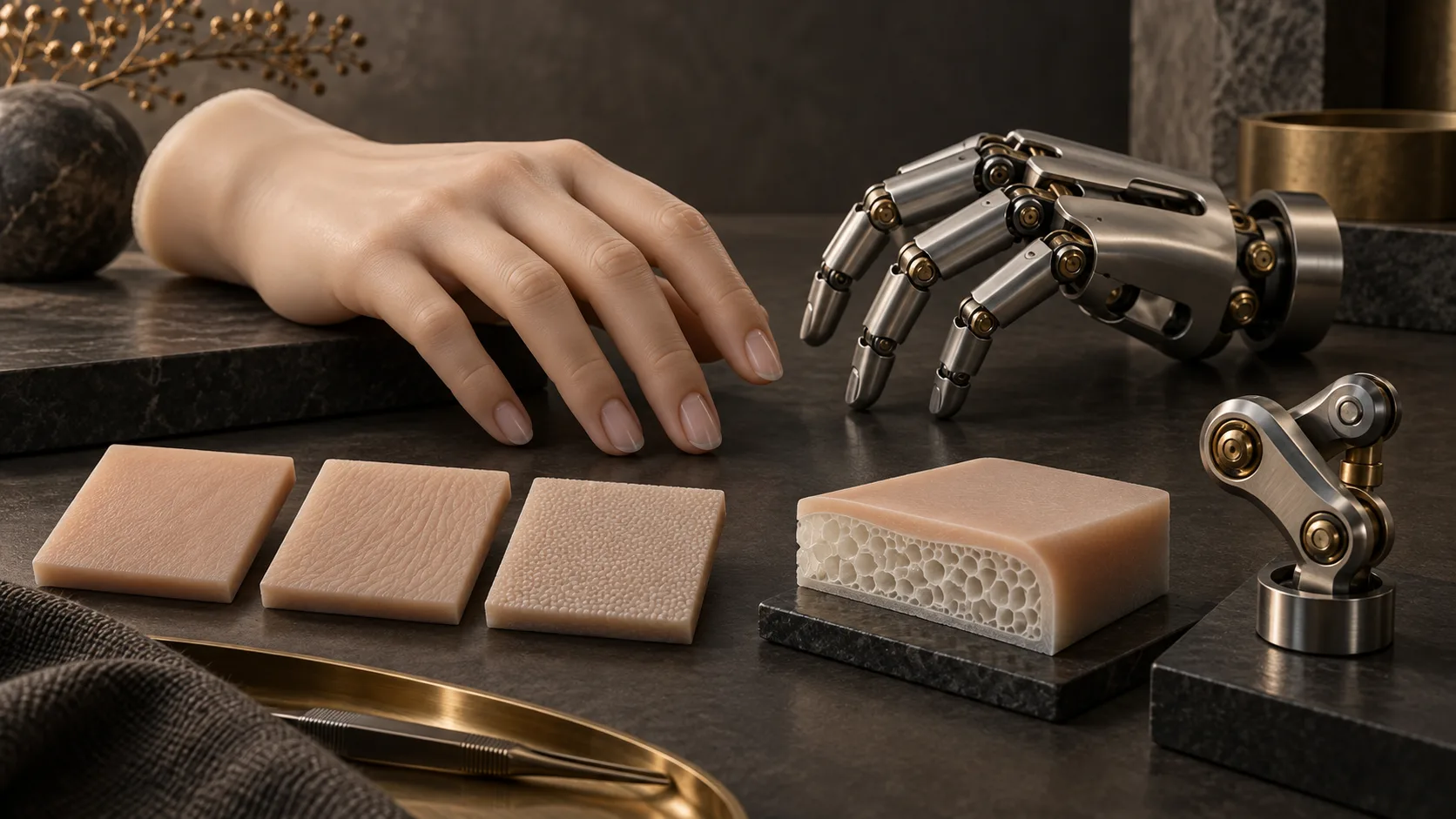
Materials, joints and surface samples. AI-generated concept illustration; not a manufacturer diagram or a measured comparison.
Seamless necks: a visible upgrade for photography
All-in-one, or AIO, construction integrates the head and body so the usual detachable neck join is absent. ZELEX’s Fusion range is a current example, with a continuous neck-to-shoulder outline and molded skin detail. Its 168B and 169C bodies make this a full-size design choice rather than just a head accessory.
The benefit is easiest to see with an open neckline or hair swept away from the shoulders: there is no neck joint to disguise with styling. The trade-off is flexibility. You cannot swap heads as you would on a conventional detachable model, and storage and servicing involve the integrated assembly. AIO construction itself predates 2026; the significant change is the expanding choice.
Would AIO suit your collection?
Choose it for a particular face-and-body combination you want to keep. If changing faces is part of the appeal, a detachable head remains the more flexible format.
Better posing: elbows, wrists, fingers and feet
A relaxed hand or a foot that follows the angle of a crossed leg can change the whole impression of a photograph. Real Lady’s August 2026 EVO Max 2.0 announcement retains the double-elbow design and updates the wrist, ankle, forefoot and toes. These are specific changes to how a pose looks, beyond simply advertising a flexible skeleton. For a closer look at articulated fingers, see Why Articulated Fingers on Dolls is a Must-Have.
Starpery’s gear-skeleton description also covers the neck, waist, elbows, hands and feet. Luli 171 cm is a named example listing that skeleton and WR4.0. WR4.0 was already reported in 2024; the manufacturer’s later article date is not its launch date. XT’s anti-puncture fingers and mechanical toes, plus TAYU’s protected fingertips and articulated silicone toes, show the wider emphasis on small joints and reinforcement.
Weight-reduction technology in a named model
Manufacturer photograph: Starpery Luli · 171 cm
Starpery Luli · 171 cm
171 cm · WR4.0
Luli’s product page lists a silicone body with Weight Reduction 4.0 and a gear skeleton. This is a concrete example of the construction discussed above. The page’s WR4.0 specification matters more than its placement in a catalogue category labelled WR4.2; confirm the supplied generation.
What should you ask to see?
A gently bent elbow, a relaxed hand and the foot in the intended pose. Jointed toes, wired toes and firm bolt-free feet are different features; one does not guarantee the others or safe unsupported standing.
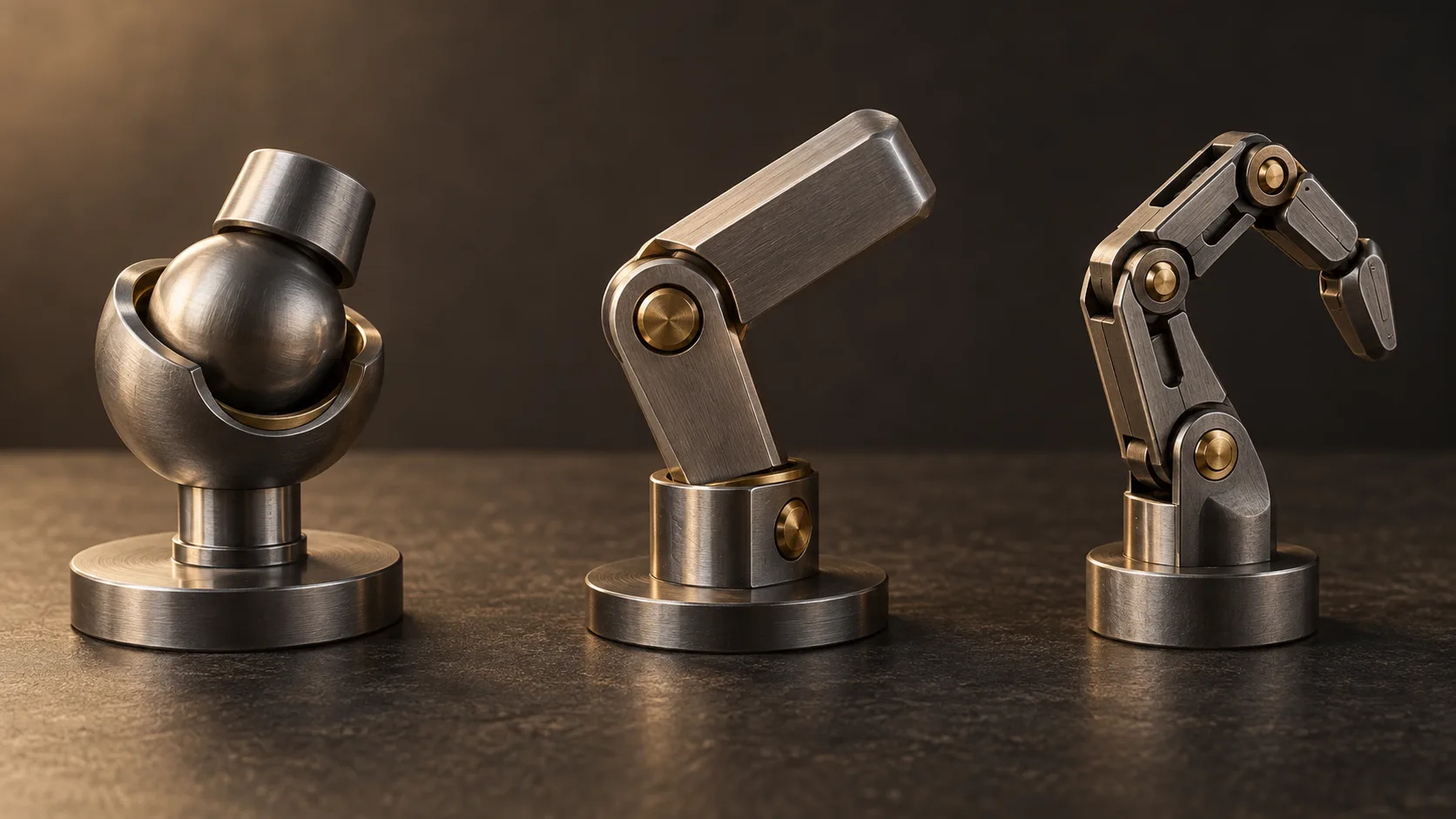
Generic ball joint, hinge and articulated finger mechanisms. AI-generated concept illustration; not a manufacturer diagram or a measured comparison.
Movable eyelids and jaws give one face more expressions
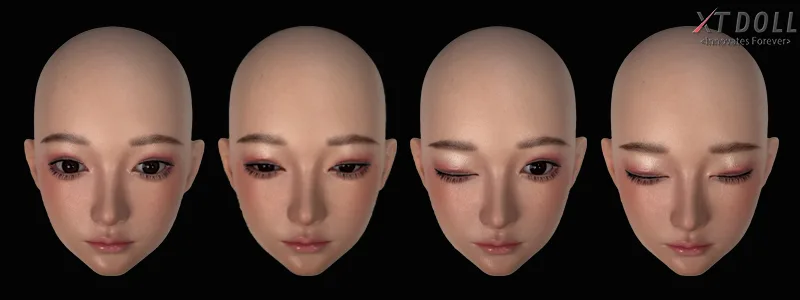
You no longer always need a second head to change from an alert expression to a sleepy one. XT’s Realistic Eyelid Movement uses manually adjusted eyelid joints and can coexist with a movable jaw. Its official comparison shows open, partly closed, winking and closed-eye positions.
This is a mechanical posing feature, not automatic blinking or AI. Movable eyelids were already appearing in 2024; their spread through 2025–2026 is what makes them relevant now. Refined movable-jaw heads also broaden expression, but a closed-eye sculpt, manually adjustable eyelids and a motorised head remain three different products.
Electronic eyes are a separate development. ElsaBabe review demonstrates selectable digital eye designs. It says the electronic version can accept standard eyes, but a regular-eye head cannot simply be upgraded later. This is a choice to make when ordering, not an automatic feature of every head.
XT manufacturer comparison: manually posed eyelids in four positions. This is not an AI-generated face sequence.A simple expression comparison
Keep the wig, lighting and camera angle the same, then compare the eye positions. That makes the effect of the mechanism visible without confusing it with a different photoshoot.
Adjustable and loose joints solve different problems
SHEDOLL’s current guide lists adjustable shoulder, elbow, thigh and knee joints, alongside fixed-tension options. Being able to alter resistance is useful when the same owner wants easy dressing and firmer photographic poses. The adjustment method and access points matter as much as the feature name.
SEDOLL’s late-August 2026 Loose Joint System takes a different approach: less resistance for easier movement. The manufacturer explicitly says it sacrifices pose retention and cannot maintain an unsupported seated position. It is a configuration choice for silicone bodies, not an all-purpose upgrade. The article archive also records experimental adjustable mechanisms from other makers; those announcements should not be treated as universal availability.
Which problem are you trying to solve?
For frequent posed photography, prioritise support and controllable tension. For easier dressing and repositioning, lower resistance may matter more. A loose joint and a joint you can retighten are not equivalent.
Beyond foam cores: carbon frames and alternative bodies
Nianta announced a carbon-fibre skeleton in August 2025 and now markets a Carbon Frame range. It claims around 5 kg less weight than its previous structure. This is a different engineering route from changing the filling: it targets the frame itself. Independent long-term evidence about the joints and repairability remains important.
XT also lists 162 cm Body Pillow models under a 7KG label. These belong to a different lightweight body category, so the headline should not be read as a 7 kg conventional full-silicone doll. Such experiments widen the choices, but surface feel, detail and support still need separate comparison. The lightest number is not automatically the closest equivalent to the doll you already own.
Keep these on your watchlist
Carbon frames and alternative lightweight bodies deserve attention. Before treating them as replacements for a familiar construction, establish complete weight, material, repair support and what the manufacturer actually includes.
AI heads are becoming products, with practical limits
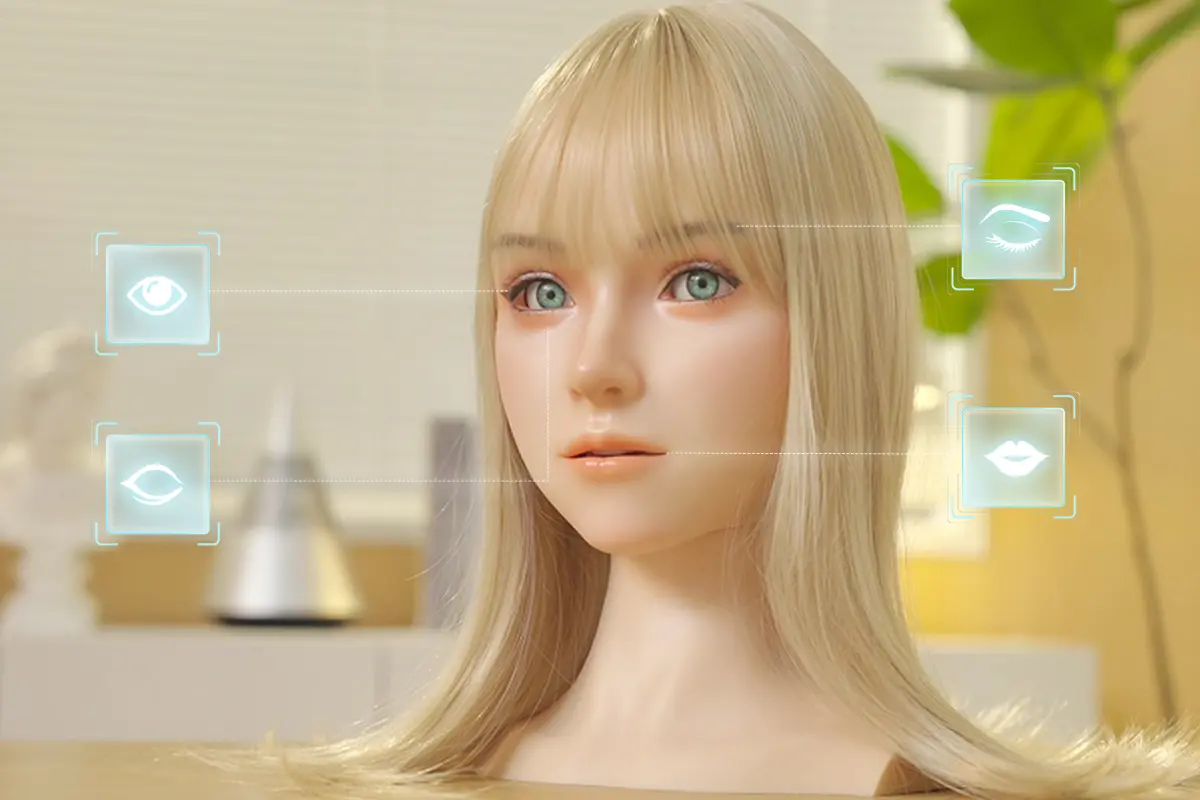
SEDOLL’s SE X-Bot Annika gives the AI discussion a concrete 2026 example: an offered head with conversational software and motor-driven facial movement. The manufacturer specifies control of eyes, eyelids, eyebrows and mouth. That is a meaningful step beyond a static head with a speaker, although it does not make the body an autonomous walking robot.
The ownership details matter here. Annika requires internet access, uses cloud processing and is supplied for one configured language at a time. The published subscription is US$5.90 for the first month and US$49 per month afterwards, checked September 30. Test ordinary conversation, response delay and motor noise before judging it from a short promotional clip.
Interview with Irontech’s founder describes IronAI as another direction: sensors, temperature control, app settings and coordinated electronic responses through a central controller. This is an integrated control system, distinct from Annika’s motorised facial expressions. Its long-term performance still needs evaluation.
SEDOLL manufacturer promotional image of SE X-Bot Annika, identifying facial movement areas. It illustrates the offered head, not an independently measured performance test.Compare three separate capabilities
Conversation is software; expression needs motors; body movement needs additional hardware. Ask which of those you are buying, what works without the subscription, and how recordings and conversation data are handled.
Configuration and maintenance are improving too
A familiar series name can now hide a different ordering experience. ZELEX offers a fully customisable SLE 3.0 version, so choosing a body, head and finish is no longer limited to the older fixed combinations. TAYU’s latest NOVA update also lists a removable insert option and firmer hands and feet, addressing cleaning and high-wear areas.
Those practical changes deserve space beside glamorous new faces. Compatibility still varies: NOVA wired toes require its hard feet, while different skeleton, heating and material options can exclude one another. Save the dated specification of the exact build. A current configurable product and older ready-made stock need not contain the same upgrades.
Your five-point comparison
Record complete weight; exact material and core; skeleton and hand/foot options; surface finish and head mechanism; cleaning and servicing requirements. Compare those five items with your current doll rather than comparing year labels. For the other choices to consider when ordering, see Options in a sex doll and what to expect.
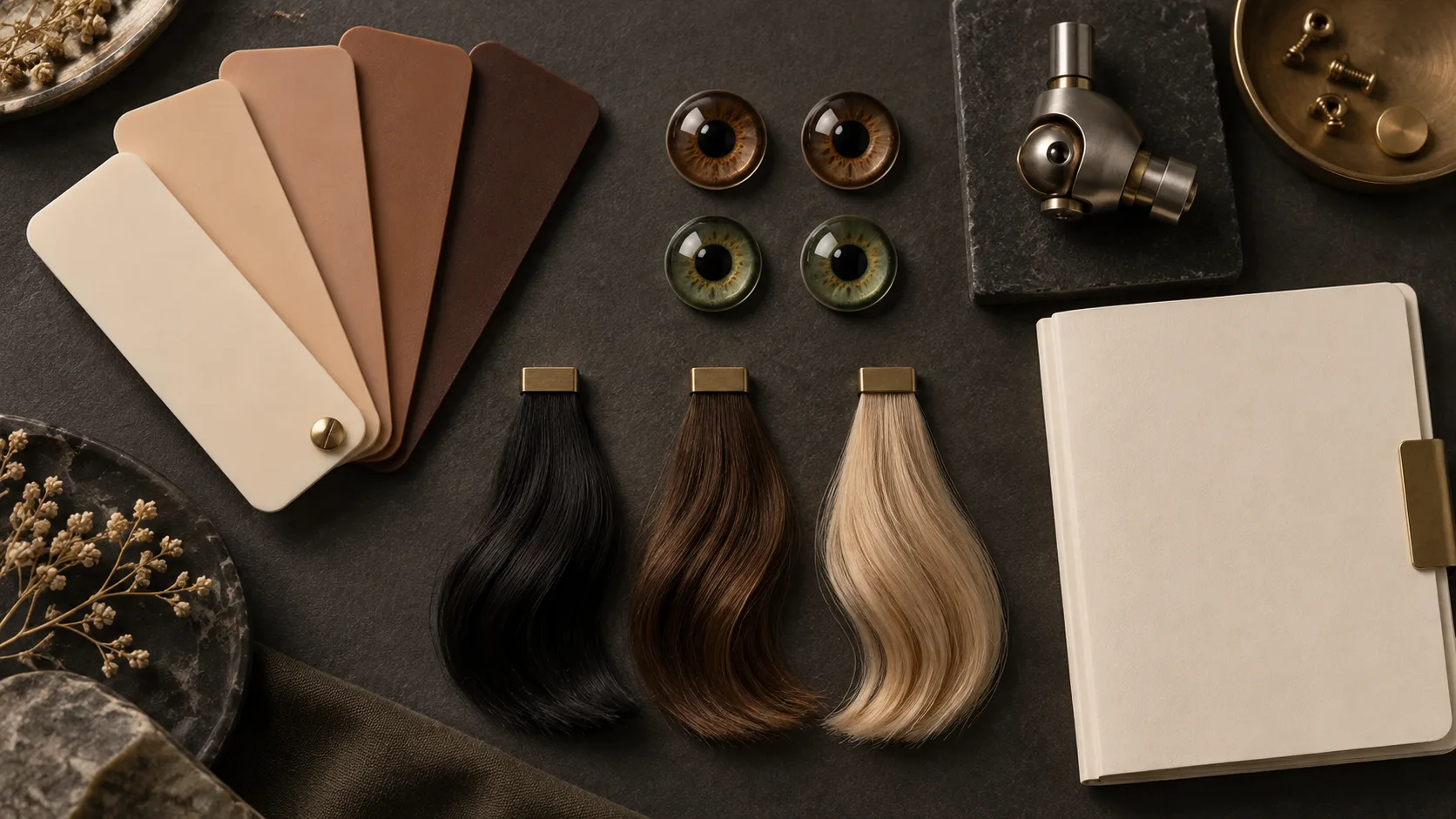
Color, eye and hair samples with a configuration folder. AI-generated concept illustration; not a manufacturer diagram or a measured comparison.
What makes the 2026 generation worth another look?
The strongest progress is in combinations: a full-size body that is easier to move, an interior designed for a softer feel, skin with more depth and joints that allow less rigid poses. Seamless necks and adjustable expressions add visible realism; AI heads and new frame materials open additional directions. Which changes matter most depends on whether your priority is handling, photography, display or interaction.
For a convincing upgrade, start with the thing your current doll cannot do well. Then choose a documented change that solves it. That makes a 13 kg matched weight reduction, a cleaner neckline or a more expressive face much more useful than a long list of unexplained feature names.